Lesson from the Stars: What Every Homeowner Can Learn from Celebrity Break-Ins
Your home is on display before you even leave the driveway. A tagged location here, a holiday photo there. Anyone paying attention knows exactly when your property is empty and what is inside it. For landlords and homeowners, that audience increasingly includes organised criminal gangs who treat social media as a planning tool.
High-profile break-ins are no longer crimes of opportunity. They are calculated operations, and the homes being targeted often already have alarms and cameras installed. That is precisely the problem. The security conversation is shifting because the threat has shifted, and the people with the most to lose are leading the change.
Lesson 1: Cameras Are Not Enough, Invest in High-security Systems
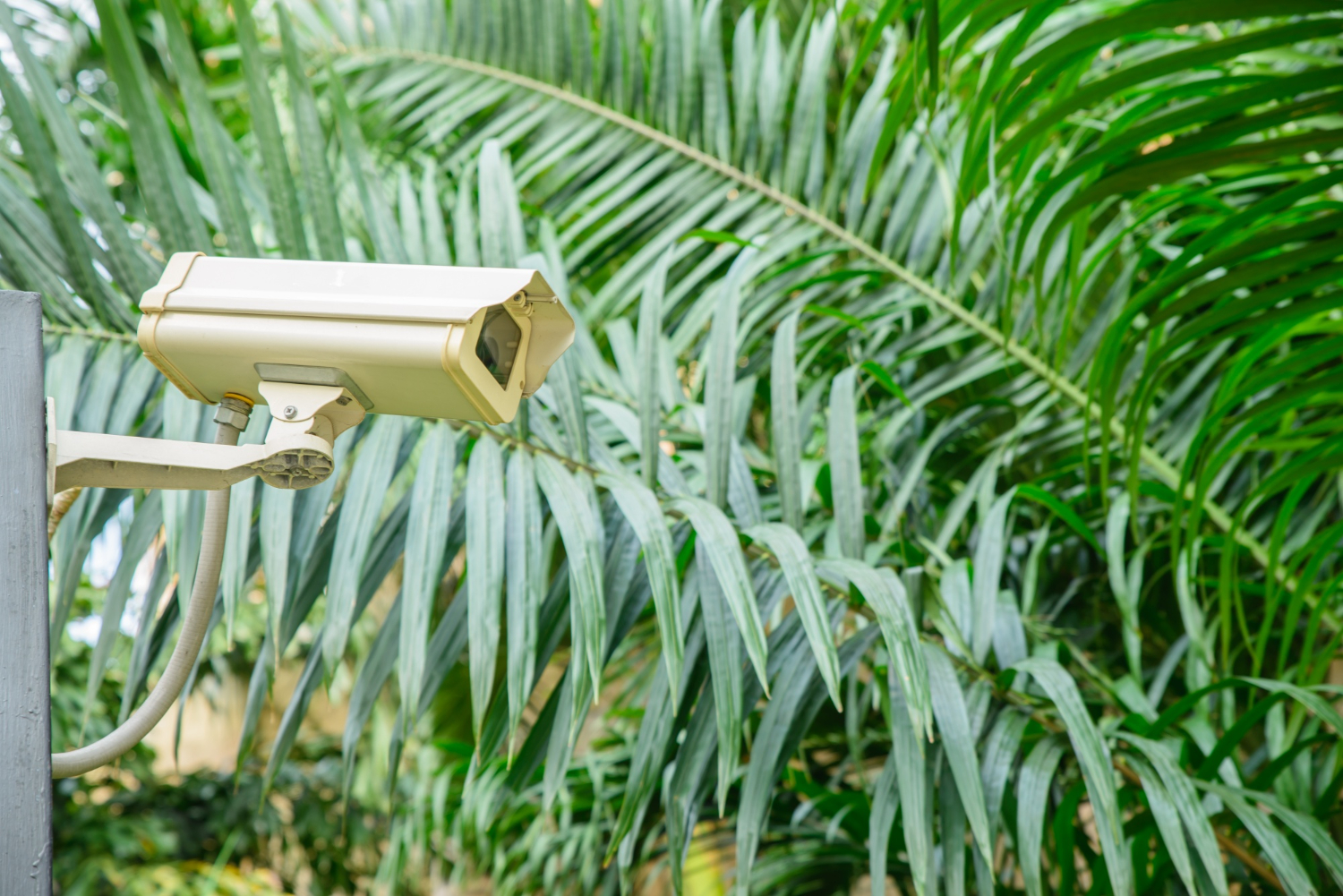
CCTV and smart home security systems have their place, but they are fundamentally reactive. They record what has already happened. A camera does not stop a determined intruder from forcing a door or snapping a lock cylinder. What it captures is useful evidence after the fact, but it does little to protect the people and valuables inside at the moment of a breach.
This is why a single system is rarely enough. Criminals regularly bypass or disable top-of-the-line surveillance by cutting power or jamming signals. A more reliable approach combines visible cameras, motion-activated lighting, reinforced entry points, and physical locks; each layer compensating for the weaknesses of the others.
While a camera might record an intruder, it is the physical strength of the entry point that prevents a break-in. Many homeowners are now turning to accredited specialists like Barry Bros Security to install certified, high-security hardware that makes a property a genuinely difficult target from the outset and meets the requirements of home insurers.
Lesson 2: Social Media Is a Planning Tool, Keep Your Travel Plans Private
One of the most significant changes to how high-value properties are targeted is the role of social media. According to Mirror, criminals monitor platforms such as Instagram and X (formerly Twitter) to build detailed profiles of potential targets. A real-time holiday post, a check-in at an airport, or a photo showing the interior of a property can all signal that a home is unoccupied and worth visiting.
UK athletes Jack Grealish and Ben Stokes are among those who have been targeted using this method. In London, socialite Shafira Huang’s home was burgled by thieves who had been monitoring her social media activity, with losses exceeding £10 million. A separate London-based gang was arrested after compiling victim profiles from Instagram posts showing luxury items and travel plans.
For landlords, the risk does not disappear when a tenant is in residence. Tenants who post freely about being away leave a rental property just as exposed. Making social media awareness part of your tenancy guidance is a simple and worthwhile step.
Lesson 3: The Master Bedroom is Target #1, Store Valuables in Hidden Locations
Burglars typically have around ten minutes to get in and out. In that time, the master bedroom is almost always the first room they head to, because that is where most people keep jewellery, cash, and small high-value items.
Keeping valuables in the master bedroom, or in an obvious safe within it, is one of the most common mistakes homeowners make. A better approach is to store real valuables in a hidden location and bolt any safe securely to the building so it cannot be carried away. A secondary decoy safe with low-value items can redirect attention and buy time.
Lesson 4: Security Goes Beyond the Front Door, Install Certified Hardware and Strategic Landscaping
The shift towards physical barriers reflects a growing understanding that digital security and physical security serve very different functions. In practice, this means investing in the right hardware. High-security door fittings, including multi-point locking systems and anti-snap cylinders rated to TS007 3-star or BS3621 standards, form the foundation of a secure entry point. These products are tested against the most common attack methods used by burglars, including lock snapping, drilling, and picking. A door fitted with certified hardware and a reinforced frame takes considerably more time and noise to breach than a standard residential door, both of which deter most intruders.
Physical security also extends to how visible your property is from the street. Strategic landscaping, including dense or thorny planting near entry points, limits the cover available to someone attempting a break-in. Well-placed lighting at all entrances and darker corners of the property removes the concealment that most burglars depend on.
Beyond the front door, many homeowners are also investing in perimeter security such as automated gates and steel grilles, as well as internal safe zones. A well-specified safe room or secured vault area ensures that even if an intruder does gain entry, the most valuable assets and the people inside remain protected.
Lesson 5: Do Not Assume a Safe Neighbourhood, Maintain Home Appearances During Absence
Organised burglary groups actively target high-value residential areas precisely because they expect the properties there to contain items worth taking. A low crime rate in your postcode is not the same as a low risk to your property.
When a property sits empty, the signs are easy to read: a full letterbox, bins left out, unraked leaves. Ask a neighbour to maintain appearances during void periods. For landlords, updating locks between tenancies and keeping track of who holds keys are basic steps that are frequently overlooked. Many targeted break-ins are facilitated by people with inside knowledge of a property.
Home Security Checklist: Is Your Property Physically Secure?
Use the checklist below to assess your home’s physical defences. Each point represents a layer of protection that operates independently of alarms and cameras.
- Front and back doors: Are locks rated to BS3621 or fitted with a TS007 3-star anti-snap cylinder?
- Door frames: Are frames reinforced? A strong lock offers little protection in a weak frame.
- Multi-point locking: Do your main doors engage multiple bolt points when locked?
- Perimeter gates: Is your gate securely padlocked or fitted with an access control system?
- Windows: Are ground-floor and accessible windows fitted with key-operated locks?
- Safe storage: Are high-value items kept in an insurance-graded safe that is bolted to the building?
- Secure internal zone: Is there a reinforced internal room or safe space available in an emergency?
- Key control: Are you using a restricted key system that prevents unauthorised copying?
- Social media habits: Are travel and absence plans kept off public-facing profiles?
- Professional assessment: Has an MLA-accredited specialist carried out a physical security audit of the property?
Stop Recording Break-Ins. Start Preventing Them.
A camera on the wall and an app on your phone can create a convincing sense of safety. But if the door behind them can be forced in seconds, that sense is a feeling, not a fact.
The homeowners getting this right are spending differently, prioritising the physical integrity of their property over the number of devices connected to it. A reinforced entry point, a certified lock, a secured internal space, these stop a break-in rather than simply document one.
The celebrities who learned this lesson mostly learned it the hard way. You do not have to.

Related Posts